 EN
EN
 AR
AR
 CS
CS
 DA
DA
 NL
NL
 FI
FI
 FR
FR
 DE
DE
 EL
EL
 HI
HI
 IT
IT
 JA
JA
 KO
KO
 PL
PL
 PT
PT
 RO
RO
 RU
RU
 ES
ES
 SV
SV
 IW
IW
 ID
ID
 VI
VI
 SQ
SQ
 HU
HU
 MT
MT
 TH
TH
 TR
TR
 AF
AF
 GA
GA
 BN
BN
 BS
BS
 LO
LO
 LA
LA
 MI
MI
 MN
MN
 NE
NE
 MY
MY
 KK
KK
 UZ
UZ
 KY
KY
How Can a Care Label Print Machine Reduce Waste and Improve Production Consistency?
Modern textile manufacturing faces increasing pressure to optimize efficiency while maintaining environmental responsibility. A care label print machine represents a pivotal solution for companies seeking to streamline their labeling processes while reducing material waste and enhancing production consistency. These specialized printing systems have transformed how manufacturers approach garment labeling, offering precise control over quality standards and resource utilization. The integration of advanced printing technology into textile production lines has become essential for companies aiming to meet both consumer expectations and sustainability goals in today's competitive marketplace.
Understanding Modern Label Printing Technology
Digital Printing Advantages in Textile Manufacturing
Digital printing technology has revolutionized the way manufacturers approach care label production. Unlike traditional analog methods, digital systems offer precise color control and exceptional detail reproduction without requiring extensive setup procedures. This technology eliminates the need for printing plates or screens, significantly reducing preparation time and material waste. Manufacturers can now produce small batches or single labels with the same efficiency as large production runs, making customization more accessible and cost-effective.
The flexibility inherent in digital printing systems allows manufacturers to implement design changes quickly without discarding existing inventory or reconfiguring complex mechanical systems. This adaptability proves particularly valuable when working with multiple product lines or seasonal collections that require different labeling specifications. Digital systems also provide superior consistency across production runs, ensuring that every label meets the same quality standards regardless of batch size or production timing.
Flexographic Technology for High-Volume Production
Flexographic printing remains the preferred choice for high-volume label production due to its exceptional speed and material efficiency. This printing method utilizes flexible printing plates and fast-drying inks, enabling continuous production at remarkable speeds while maintaining consistent quality throughout extended runs. The technology particularly excels when producing standardized care labels for large manufacturing operations where uniformity and efficiency are paramount concerns.
Modern flexographic systems incorporate advanced registration controls that ensure perfect alignment across multiple colors and design elements. This precision reduces waste by minimizing misprints and rejected labels, while simultaneously improving the overall aesthetic quality of finished products. The robust nature of flexographic equipment also contributes to lower maintenance costs and extended operational periods between service intervals.
Waste Reduction Through Precision Engineering
Material Optimization Strategies
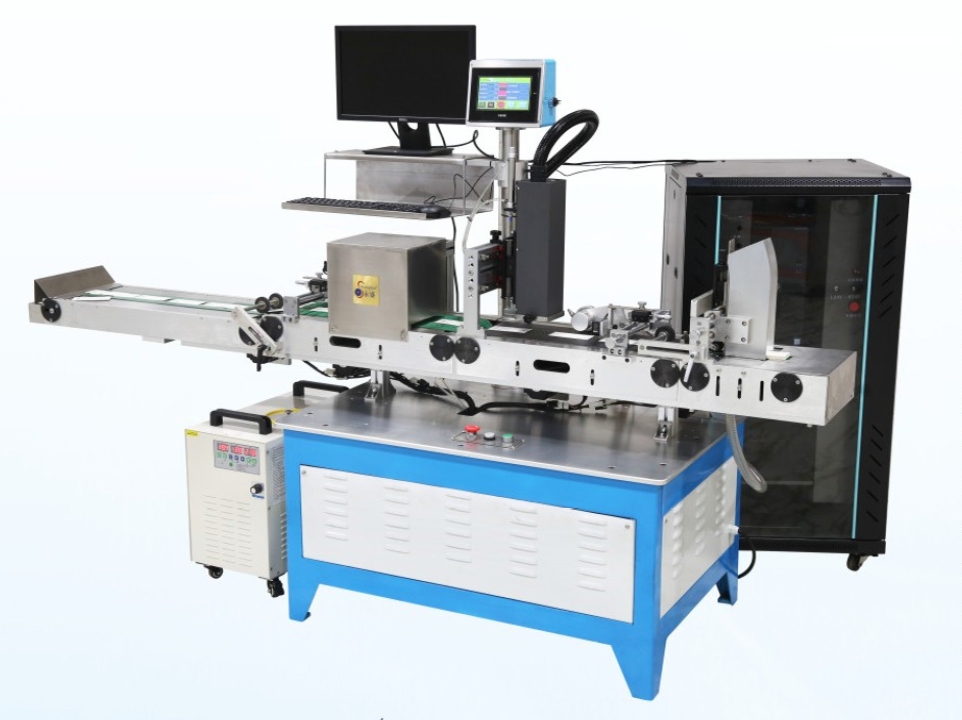
Contemporary care label printing systems incorporate sophisticated material optimization features that significantly reduce waste generation during production processes. Advanced sensor technology monitors material usage in real-time, automatically adjusting feed rates and cutting positions to maximize substrate utilization. These systems can detect material flaws or irregularities before printing occurs, preventing the waste of both substrate and ink while maintaining consistent output quality.
Intelligent nesting algorithms analyze label layouts to minimize spacing between individual labels, effectively increasing the number of finished products obtained from each material roll. This optimization extends beyond simple spacing adjustments to include consideration of material grain direction, print quality requirements, and cutting blade efficiency. The cumulative effect of these optimizations can reduce material waste by twenty to thirty percent compared to conventional printing methods.
Ink Management and Conservation
Modern printing systems feature advanced ink management capabilities that prevent overuse while ensuring consistent color reproduction throughout production runs. Closed-loop ink circulation systems maintain optimal viscosity and prevent ink degradation, reducing the need for frequent ink replacements and disposal. These systems also incorporate precision metering technology that delivers exact ink quantities for each label, eliminating excess application that would otherwise contribute to waste.
Automated cleaning cycles utilize minimal solvent quantities while maintaining equipment cleanliness standards necessary for consistent print quality. Smart dosing systems calculate optimal cleaning solution amounts based on ink types, substrate materials, and production duration, preventing both equipment contamination and unnecessary chemical waste. This approach supports both environmental sustainability goals and operational cost reduction objectives.
Production Consistency Enhancement Methods
Quality Control Integration
Integrated quality control systems continuously monitor print parameters throughout production cycles, automatically adjusting settings to maintain consistent output quality. Vision inspection technology examines each printed label for color accuracy, text clarity, and dimensional precision, immediately identifying any deviations from established standards. This real-time monitoring prevents the production of substandard labels while maintaining optimal production speeds.
Statistical process control capabilities track quality metrics over time, identifying trends that might indicate equipment wear or process drift before they affect product quality. This predictive approach enables proactive maintenance scheduling and parameter adjustments that prevent quality issues rather than simply detecting them after occurrence. The result is consistently higher-quality labels with reduced variation across production batches.
Environmental Condition Management
Sophisticated environmental control systems maintain optimal temperature and humidity levels within printing equipment, ensuring consistent substrate behavior and ink performance throughout production cycles. These systems compensate for seasonal variations and facility conditions that might otherwise affect print quality or material handling characteristics. Proper environmental management prevents issues such as static buildup, material curling, or ink adhesion problems that could compromise label quality.
Climate-controlled storage systems maintain substrate and ink materials at optimal conditions before use, preventing degradation that could affect printing performance. This comprehensive approach to environmental management ensures that every component of the printing process operates within specified parameters, contributing to consistent output quality regardless of external conditions or production timing.
Economic Benefits and Return on Investment
Operational Efficiency Improvements
Investment in advanced care label print machine technology delivers measurable improvements in operational efficiency through reduced setup times, faster changeovers, and higher production speeds. Automated job setup procedures eliminate manual configuration steps that previously required skilled operators and significant time investments. This automation enables more frequent job changes without proportional increases in non-productive time, supporting flexible manufacturing approaches and shorter lead times.
Predictive maintenance capabilities minimize unplanned downtime by identifying potential equipment issues before they cause production interruptions. Smart monitoring systems track component wear patterns, lubrication schedules, and performance metrics to optimize maintenance timing and reduce both maintenance costs and production losses. This approach transforms maintenance from a reactive expense into a strategic operational advantage.
Labor Cost Optimization
Automated printing systems reduce labor requirements while improving job consistency by eliminating manual processes prone to human error. Sophisticated user interfaces enable operators to manage multiple printing stations simultaneously, increasing individual productivity while maintaining quality standards. This efficiency gain allows manufacturers to allocate human resources to higher-value activities such as quality assurance, process improvement, and customer service.
Comprehensive training programs integrated into modern printing systems enable operators to achieve proficiency more quickly while reducing the skill requirements for basic operations. This accessibility supports workforce development initiatives while reducing training costs and improving operational flexibility. The combination of intuitive interfaces and comprehensive automation creates opportunities for cross-training and job rotation that enhance overall operational resilience.
Sustainability and Environmental Impact
Resource Conservation Initiatives
Modern care label printing equipment incorporates numerous features designed to minimize environmental impact while maintaining production efficiency. Energy-efficient components such as LED curing systems and variable-speed drives reduce power consumption compared to traditional equipment configurations. Smart power management systems automatically adjust equipment operation based on production requirements, eliminating unnecessary energy consumption during idle periods or reduced-capacity operations.
Water-based ink formulations compatible with modern printing systems provide environmental advantages over traditional solvent-based alternatives while maintaining excellent print quality and durability characteristics. These environmentally friendly inks reduce volatile organic compound emissions and simplify waste disposal procedures, supporting corporate sustainability initiatives and regulatory compliance requirements. The transition to water-based systems also improves workplace air quality and reduces health risks for production personnel.
Circular Economy Integration
Advanced printing systems support circular economy principles through features that enable material recovery and reuse. Waste collection systems capture printing substrates, adhesive liners, and ink residues for appropriate recycling or disposal processing. Some systems incorporate material recovery capabilities that convert production waste into usable raw materials for other manufacturing processes, creating closed-loop material flows that minimize environmental impact.
Biodegradable substrate options compatible with modern printing equipment enable manufacturers to produce environmentally friendly labels that decompose naturally at the end of their useful life. These materials maintain the durability and print quality required for care labels while supporting consumer preferences for sustainable products. The availability of eco-friendly substrates creates opportunities for manufacturers to differentiate their products through environmental stewardship.
Technology Integration and Industry 4.0
Smart Manufacturing Connectivity
Contemporary printing systems feature comprehensive connectivity options that enable seamless integration with broader manufacturing execution systems and enterprise resource planning platforms. Real-time data exchange capabilities provide visibility into production status, quality metrics, and resource utilization across entire manufacturing operations. This connectivity enables coordinated production planning that optimizes material usage and reduces waste through improved scheduling and resource allocation.
Cloud-based monitoring and control capabilities allow remote oversight of printing operations, enabling expert support and troubleshooting without requiring on-site personnel. This remote access capability proves particularly valuable for multi-site operations or facilities with limited technical support resources. Predictive analytics capabilities analyze historical production data to identify optimization opportunities and prevent quality issues before they occur.
Data Analytics and Performance Optimization
Comprehensive data collection systems capture detailed information about every aspect of the printing process, from material consumption and ink usage to quality metrics and equipment performance. Advanced analytics platforms process this information to identify patterns and trends that inform process optimization decisions. Machine learning algorithms continuously refine production parameters to improve efficiency while maintaining quality standards.
Performance dashboard systems provide real-time visibility into key operational metrics, enabling rapid response to production issues or quality concerns. These dashboards consolidate information from multiple sources to present comprehensive operational overviews that support informed decision-making. Historical trend analysis capabilities help identify long-term optimization opportunities and support strategic planning initiatives.
FAQ
What types of materials can modern care label printing machines handle?
Modern care label printing machines accommodate a wide variety of substrate materials including woven fabrics, non-woven synthetics, adhesive-backed films, and specialty textiles. These systems feature adjustable tension controls and material handling mechanisms that adapt to different substrate thicknesses, flexibility characteristics, and surface textures. Advanced feeding systems prevent material damage while maintaining consistent positioning throughout the printing process, ensuring high-quality results regardless of substrate type.
How do these machines ensure consistent color reproduction across large production runs?
Consistent color reproduction relies on closed-loop color management systems that continuously monitor and adjust ink densities throughout production cycles. Spectrophotometric sensors measure color values in real-time, automatically compensating for variations in ink viscosity, substrate characteristics, or environmental conditions. Standardized color profiles ensure that printed colors match established specifications regardless of production timing or equipment configuration, maintaining brand consistency across all labeled products.
What maintenance requirements are necessary for optimal machine performance?
Optimal performance requires regular preventive maintenance including cleaning procedures, lubrication schedules, and component inspections based on manufacturer recommendations and production volume. Automated monitoring systems provide maintenance alerts based on actual equipment usage rather than arbitrary time intervals, optimizing maintenance timing and reducing unnecessary service interruptions. Comprehensive maintenance programs typically include operator training, spare parts inventory management, and technical support resources to minimize downtime and extend equipment life.
Can these printing systems handle custom label designs and variable data printing?
Modern printing systems excel at custom label production and variable data applications through digital printing capabilities and flexible job setup procedures. Variable data functionality enables printing of unique information such as batch numbers, dates, or product codes on each label without interrupting production flow. Design modification capabilities allow real-time adjustments to layout, colors, or text content, supporting customization requirements while maintaining production efficiency and quality standards.
Recommended Products
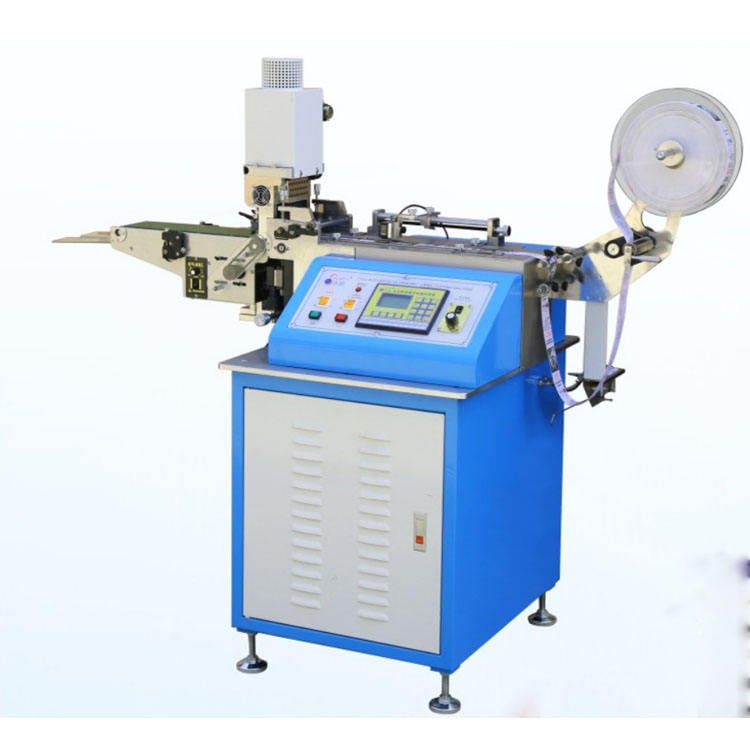
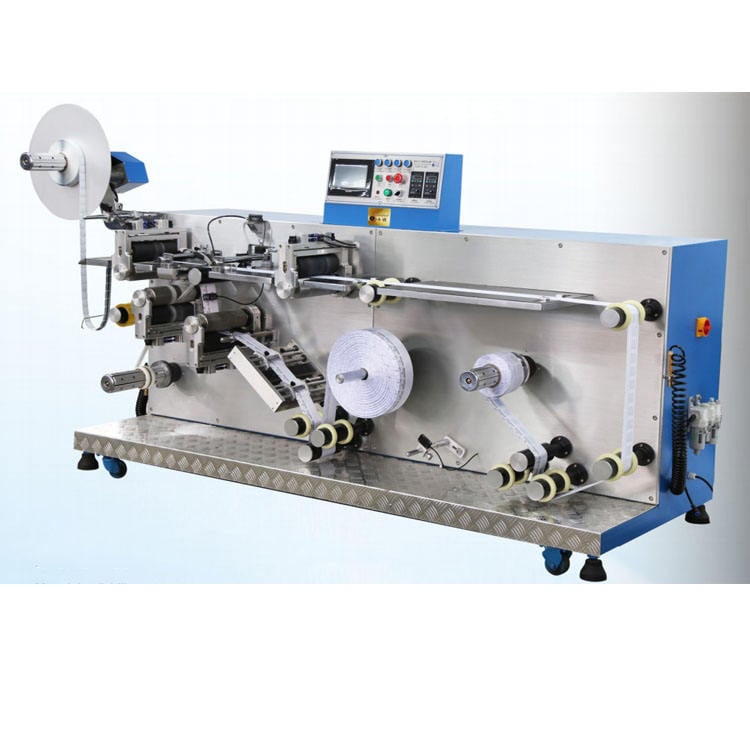
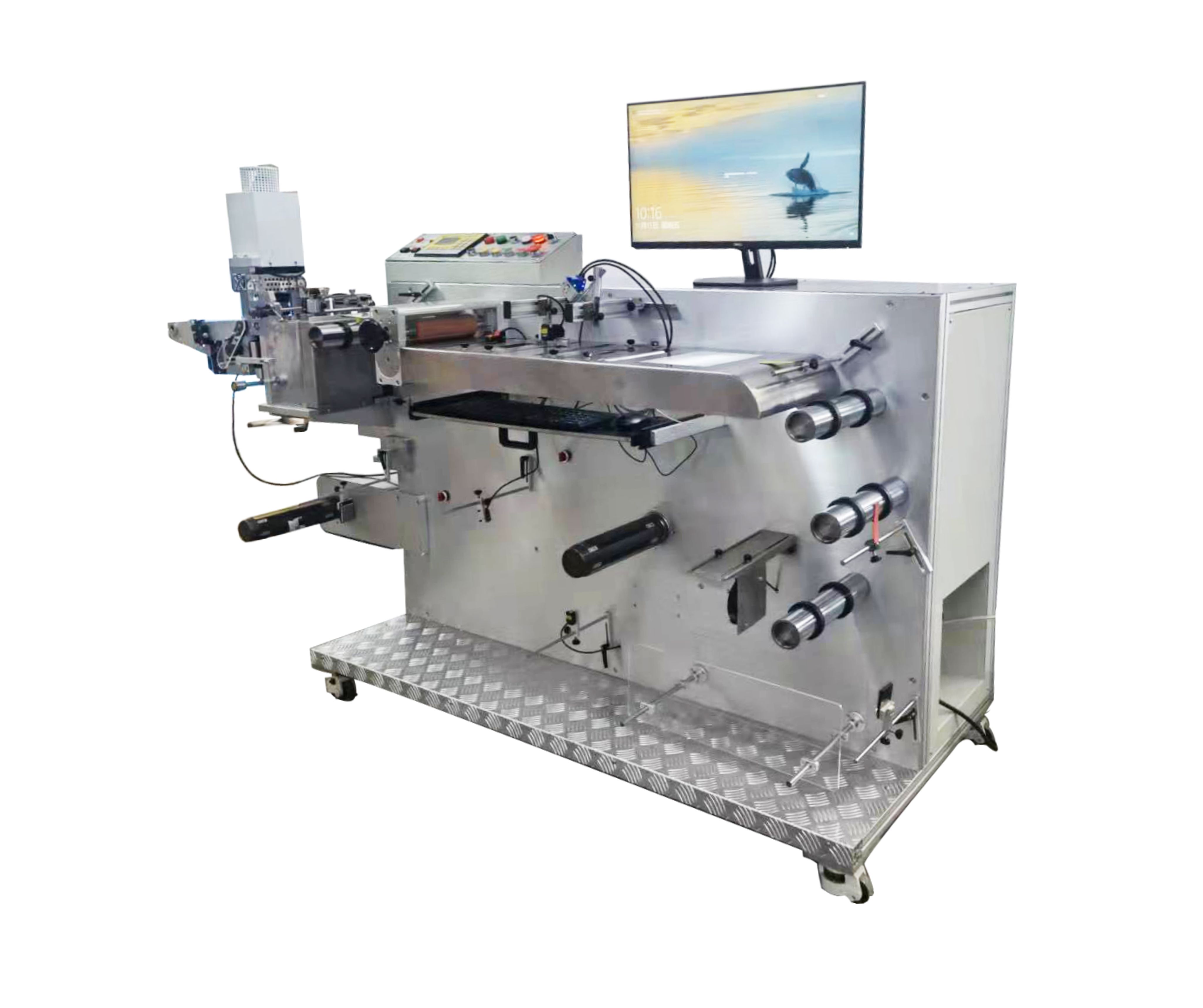
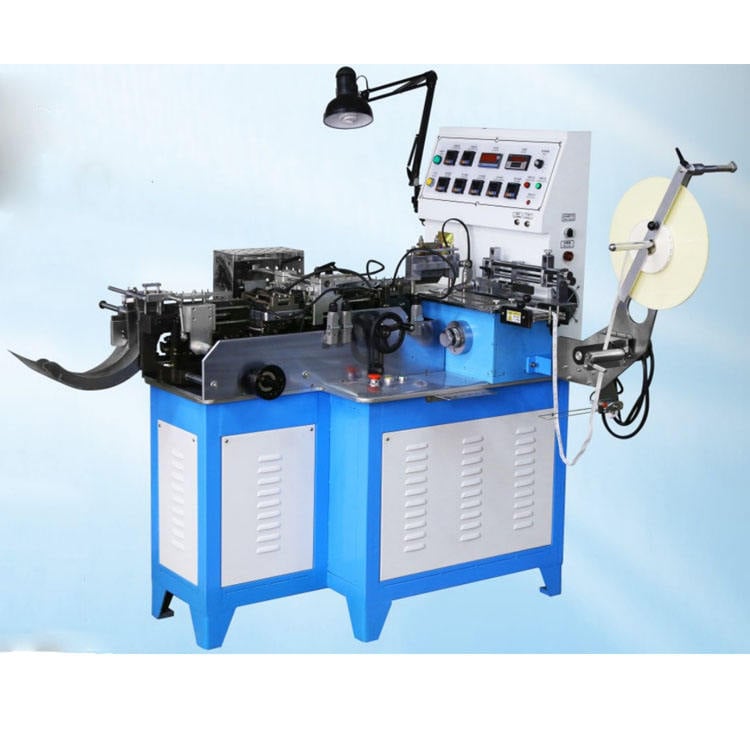
Hot News
-
Reflect On The Cultural Significance Of The Printing Press In Preserving And Disseminating Knowledge
2023-12-08
-
The Role Of The Printing Press In The Global Economy
2023-12-08
-
Environmental Impact: Analyzing The Environmental Footprint Of The Printing Industry
2023-12-08
-
The Frontier Of Printing: 3d Printing And Its Industrial Renaissance
2023-12-08
-
The Evolution And Impact Of The Printing Press
2023-12-08