 EN
EN
 AR
AR
 CS
CS
 DA
DA
 NL
NL
 FI
FI
 FR
FR
 DE
DE
 EL
EL
 HI
HI
 IT
IT
 JA
JA
 KO
KO
 PL
PL
 PT
PT
 RO
RO
 RU
RU
 ES
ES
 SV
SV
 IW
IW
 ID
ID
 VI
VI
 SQ
SQ
 HU
HU
 MT
MT
 TH
TH
 TR
TR
 AF
AF
 GA
GA
 BN
BN
 BS
BS
 LO
LO
 LA
LA
 MI
MI
 MN
MN
 NE
NE
 MY
MY
 KK
KK
 UZ
UZ
 KY
KY
How Can Care Label Print Machines Support Compliance With International Labeling Standards?
International compliance requirements for garment labeling have become increasingly complex as global markets demand higher standards for consumer protection and product transparency. Manufacturing companies across the textile and apparel industry must navigate a maze of regulations that vary by country, region, and product category. Care label print machines have emerged as critical infrastructure components that enable businesses to meet these demanding international labeling standards while maintaining operational efficiency and cost-effectiveness.
The complexity of international labeling requirements extends beyond simple care instructions to encompass material composition, country of origin, safety warnings, and environmental impact information. Modern textile manufacturers must ensure their products carry accurate, legible, and durable labels that comply with regulations in multiple markets simultaneously. This challenge has driven significant innovation in printing technology, leading to sophisticated machines capable of producing high-quality labels that meet diverse regulatory requirements across different jurisdictions.
Advanced printing systems now offer manufacturers the flexibility to adapt quickly to changing regulations while maintaining consistent quality standards. These machines integrate seamlessly into existing production workflows, enabling companies to scale their operations without compromising compliance. The investment in proper labeling technology represents not just regulatory compliance but also brand protection and consumer trust building in competitive global markets.
Regulatory Framework Understanding for Global Markets
North American Labeling Requirements
The United States Federal Trade Commission enforces strict Care Labeling Rule requirements that mandate specific symbols, text formatting, and durability standards for textile care labels. These regulations require manufacturers to provide clear instructions for at least one safe cleaning method, with symbols following international standards where applicable. Canadian regulations mirror many US requirements while adding bilingual labeling mandates that require both English and French text on care labels for products sold in Canada.
Care label print machines must accommodate these requirements through precise font rendering, symbol placement accuracy, and multi-language capability. The machines must also ensure label durability standards are met, as regulations specify that care labels must remain legible throughout the expected lifetime of the garment. This includes resistance to washing, dry cleaning, and normal wear conditions that could compromise label readability.
Modern printing systems address these challenges through advanced ink formulations, precise temperature control, and substrate compatibility testing. Manufacturers utilizing these systems can confidently produce labels that withstand regulatory scrutiny while maintaining cost-effective production schedules. The integration of quality control sensors within printing systems helps ensure consistent compliance across large production runs.
European Union Standards and Directives
European Union textile labeling regulations encompass multiple directives including the Textile Regulation, REACH compliance, and country-specific requirements that vary across member states. The EU mandates fiber content disclosure, care instruction standardization, and environmental impact labeling that requires sophisticated printing capabilities. These regulations also specify exact placement requirements, font sizes, and symbol standards that must be consistently maintained across all production batches.
The complexity increases when considering that different EU member states may have additional requirements beyond the base regulations. For example, some countries require specific eco-labeling information, while others mandate additional safety warnings for certain textile categories. Care label print machines serving European markets must offer flexible template management systems that can accommodate these varying requirements without compromising production efficiency.
Traceability requirements in European markets also demand that labels include batch codes, production dates, and manufacturer identification that must be printed with high precision and durability. Advanced printing systems incorporate serialization capabilities and database integration to ensure complete traceability while maintaining rapid production speeds essential for competitive manufacturing operations.
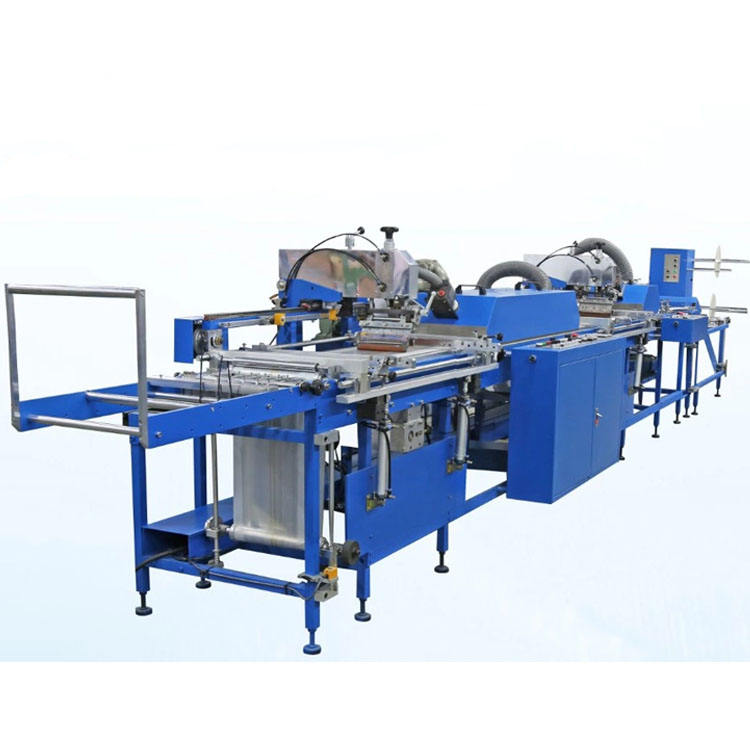
Technical Capabilities for International Compliance
Multi-Language and Symbol Integration
International compliance requires printing systems capable of handling multiple character sets, including Latin, Cyrillic, Asian scripts, and standardized care symbols simultaneously on single labels. Care label print machines equipped with advanced font management systems can seamlessly switch between languages and symbol sets without compromising print quality or production speed. This capability becomes crucial when manufacturers produce for multiple international markets from single production facilities.
The technical challenge extends beyond simple character rendering to include proper spacing, alignment, and hierarchical information presentation that meets regulatory requirements across different jurisdictions. Modern systems incorporate intelligent layout algorithms that automatically adjust text placement and sizing to accommodate varying content lengths while maintaining regulatory compliance. This automation reduces human error and ensures consistent quality across diverse product lines.
Advanced printing platforms also support real-time language switching and template modification, enabling manufacturers to respond quickly to changing market demands or regulatory updates. The integration of cloud-based template libraries allows for centralized management of compliance requirements across multiple production facilities, ensuring consistent adherence to international standards regardless of manufacturing location.
Precision and Durability Standards
International labeling standards specify exact requirements for print resolution, color consistency, and physical durability that challenge conventional printing technologies. Care label print machines must achieve precise registration accuracy to ensure symbols and text maintain proper positioning and clarity throughout extended production runs. The mechanical precision required for consistent results demands advanced servo control systems and real-time monitoring capabilities that can detect and correct variations before they impact product quality.
Durability requirements vary significantly between markets, with some regulations demanding labels withstand specific numbers of wash cycles, temperature extremes, and chemical exposures. Modern printing systems address these requirements through sophisticated ink chemistry, substrate selection guidance, and process parameter optimization that ensures long-term label performance. The integration of accelerated aging test capabilities within production workflows helps verify compliance before products reach international markets.
Quality assurance systems within advanced printing platforms provide real-time monitoring of critical parameters including ink density, registration accuracy, and substrate adhesion. These systems can automatically adjust process parameters to maintain compliance standards while documenting quality metrics required for international certification processes. The comprehensive data collection capabilities support audit requirements and continuous improvement initiatives essential for maintaining competitive advantage in global markets.
Production Efficiency and Compliance Balance
Automated Compliance Verification
Modern care label print machines incorporate sophisticated quality control systems that automatically verify regulatory compliance during production processes. These systems utilize advanced optical inspection technology to verify symbol accuracy, text legibility, and placement precision against stored regulatory templates. The real-time verification capability eliminates the need for manual inspection while ensuring consistent compliance across large production volumes.
Integration with regulatory databases enables automatic updates when international standards change, ensuring production systems remain current without manual intervention. The automated systems can flag potential compliance issues before they impact production schedules, allowing for immediate corrective action that minimizes waste and maintains delivery commitments. This proactive approach to compliance management represents a significant competitive advantage for manufacturers serving multiple international markets.
Advanced machine learning algorithms within quality control systems continuously improve detection accuracy by learning from historical data and operator feedback. These systems can predict potential compliance issues based on production trends and environmental factors, enabling preventive maintenance and process optimization that maintains consistent quality standards. The predictive capabilities also support inventory management and production planning by providing accurate forecasts of material consumption and production capacity.
Scalable Production Integration
International compliance requirements must be balanced with production efficiency demands to maintain competitive positioning in global markets. Care label print machines designed for international compliance incorporate modular architectures that allow capacity scaling without compromising regulatory adherence. The flexible system designs enable manufacturers to adjust production volumes based on market demands while maintaining consistent quality standards across all output levels.
Integration capabilities with existing production management systems ensure seamless workflow coordination that minimizes disruption during compliance implementation. Modern printing systems can communicate directly with enterprise resource planning systems to coordinate material flows, production scheduling, and quality documentation required for international certification processes. This integration eliminates manual data entry errors while providing comprehensive traceability throughout the production process.
The scalability extends to regulatory adaptation capabilities, allowing systems to accommodate new compliance requirements without major hardware modifications. Software-based configuration management enables rapid deployment of new labeling standards across multiple production lines while maintaining existing operational procedures. This flexibility reduces implementation costs and minimizes training requirements when expanding into new international markets.
Technology Innovation and Future Compliance
Digital Integration and Industry 4.0
The convergence of digital technologies with traditional printing processes has revolutionized compliance management for international labeling standards. Care label print machines now incorporate Internet of Things connectivity that enables real-time monitoring of compliance parameters from remote locations. This connectivity allows manufacturers to maintain centralized oversight of multiple production facilities while ensuring consistent adherence to international regulations across all locations.
Artificial intelligence integration within printing systems enables predictive compliance management that anticipates regulatory changes and automatically implements necessary adjustments. These systems analyze regulatory trends, market developments, and production data to provide strategic insights that support long-term compliance planning. The AI-driven approach reduces manual monitoring requirements while improving response times to regulatory updates.
Blockchain integration capabilities provide immutable documentation of compliance processes that support audit requirements and supply chain transparency demands. The distributed ledger technology ensures authentic verification of production processes and quality control measures required by international certification bodies. This technological foundation supports brand protection initiatives and consumer trust building in increasingly transparent global markets.
Sustainable Compliance Solutions
Environmental regulations increasingly influence international labeling requirements, demanding that care label print machines support sustainable production practices while maintaining compliance standards. Modern systems incorporate eco-friendly ink formulations, energy-efficient operation modes, and waste reduction technologies that align with international sustainability mandates. These capabilities enable manufacturers to meet both regulatory requirements and corporate sustainability commitments without compromising operational efficiency.
The integration of circular economy principles into printing system design supports compliance with emerging regulations focused on product lifecycle management and environmental impact reduction. Advanced systems can accommodate recycled substrates, biodegradable inks, and energy recovery technologies that reduce environmental footprint while maintaining international quality standards. This alignment with sustainability trends positions manufacturers for future regulatory developments.
Life cycle assessment capabilities within printing systems provide comprehensive environmental impact documentation required for international sustainability certifications. The integrated measurement systems track energy consumption, material utilization, and waste generation throughout production processes, providing data essential for environmental compliance reporting. This comprehensive approach supports both regulatory adherence and corporate responsibility initiatives in competitive global markets.
FAQ
What specific international standards must care label print machines comply with for global markets
Care label print machines must comply with multiple international standards including ISO 3758 for care symbols, ASTM D5489 for care labeling in North America, EN 23758 for European markets, and various country-specific regulations. These standards specify requirements for symbol accuracy, text legibility, durability testing, and placement precision. Modern printing systems incorporate these standards into their quality control processes to ensure automatic compliance verification during production.
How do care label print machines handle multi-language requirements for international compliance
Advanced care label print machines utilize sophisticated font management systems that support multiple character sets including Latin, Cyrillic, and Asian scripts simultaneously. These systems incorporate intelligent layout algorithms that automatically adjust spacing and sizing for different languages while maintaining regulatory compliance. Cloud-based template libraries enable centralized management of multi-language requirements across global production facilities, ensuring consistent quality and compliance regardless of manufacturing location.
What quality control features ensure international labeling standard compliance during production
Modern care label print machines incorporate real-time optical inspection systems that verify symbol accuracy, text legibility, and placement precision against stored regulatory templates. These systems include automated compliance verification, integration with regulatory databases for standard updates, and machine learning algorithms that continuously improve detection accuracy. The quality control features provide comprehensive documentation for audit requirements while maintaining production efficiency essential for competitive manufacturing operations.
How can manufacturers balance production efficiency with international compliance requirements
Manufacturers achieve optimal balance through care label print machines that incorporate modular architectures for scalable production without compromising compliance, integration capabilities with existing production management systems, and automated compliance verification that eliminates manual inspection requirements. These systems provide predictive compliance management, real-time monitoring capabilities, and flexible configuration management that accommodates new regulations without major operational disruptions, enabling competitive positioning in global markets while maintaining consistent quality standards.
Recommended Products
Hot News
-
Reflect On The Cultural Significance Of The Printing Press In Preserving And Disseminating Knowledge
2023-12-08
-
The Role Of The Printing Press In The Global Economy
2023-12-08
-
Environmental Impact: Analyzing The Environmental Footprint Of The Printing Industry
2023-12-08
-
The Frontier Of Printing: 3d Printing And Its Industrial Renaissance
2023-12-08
-
The Evolution And Impact Of The Printing Press
2023-12-08