 EN
EN
 AR
AR
 CS
CS
 DA
DA
 NL
NL
 FI
FI
 FR
FR
 DE
DE
 EL
EL
 HI
HI
 IT
IT
 JA
JA
 KO
KO
 PL
PL
 PT
PT
 RO
RO
 RU
RU
 ES
ES
 SV
SV
 IW
IW
 ID
ID
 VI
VI
 SQ
SQ
 HU
HU
 MT
MT
 TH
TH
 TR
TR
 AF
AF
 GA
GA
 BN
BN
 BS
BS
 LO
LO
 LA
LA
 MI
MI
 MN
MN
 NE
NE
 MY
MY
 KK
KK
 UZ
UZ
 KY
KY
How do factories integrate RFID labeling machines into production lines?
Modern manufacturing facilities are increasingly adopting advanced identification technologies to streamline operations and enhance traceability throughout their production processes. An RFID labeling machine represents a crucial component in this digital transformation, enabling automated product identification and real-time inventory management. These sophisticated systems integrate seamlessly into existing production environments, providing manufacturers with unprecedented visibility into their supply chain operations while reducing manual labor requirements and minimizing human error.
The integration of RFID technology into manufacturing workflows has revolutionized how companies track products from raw materials to finished goods. Factory operators recognize that implementing an RFID labeling machine requires careful planning and coordination with existing production line infrastructure. This integration process involves multiple stakeholders, including production managers, IT specialists, and equipment technicians who must work together to ensure seamless implementation without disrupting ongoing operations.
Understanding RFID Technology in Manufacturing
Core Components and Functionality
An RFID labeling machine operates through sophisticated radio frequency identification technology that enables automatic data capture and transmission without requiring direct line-of-sight scanning. These machines incorporate multiple components including RFID readers, antennas, encoding modules, and label dispensing mechanisms that work in perfect synchronization. The system can simultaneously print human-readable information and encode digital data onto RFID tags, creating comprehensive identification solutions for manufactured products.
The functionality extends beyond simple labeling applications, as modern RFID labeling machines can process multiple data formats and integrate with various enterprise resource planning systems. Manufacturing facilities benefit from real-time data collection capabilities that provide instant visibility into production metrics, quality control parameters, and inventory status updates. This comprehensive approach to product identification enables manufacturers to maintain detailed records of each item throughout the production cycle.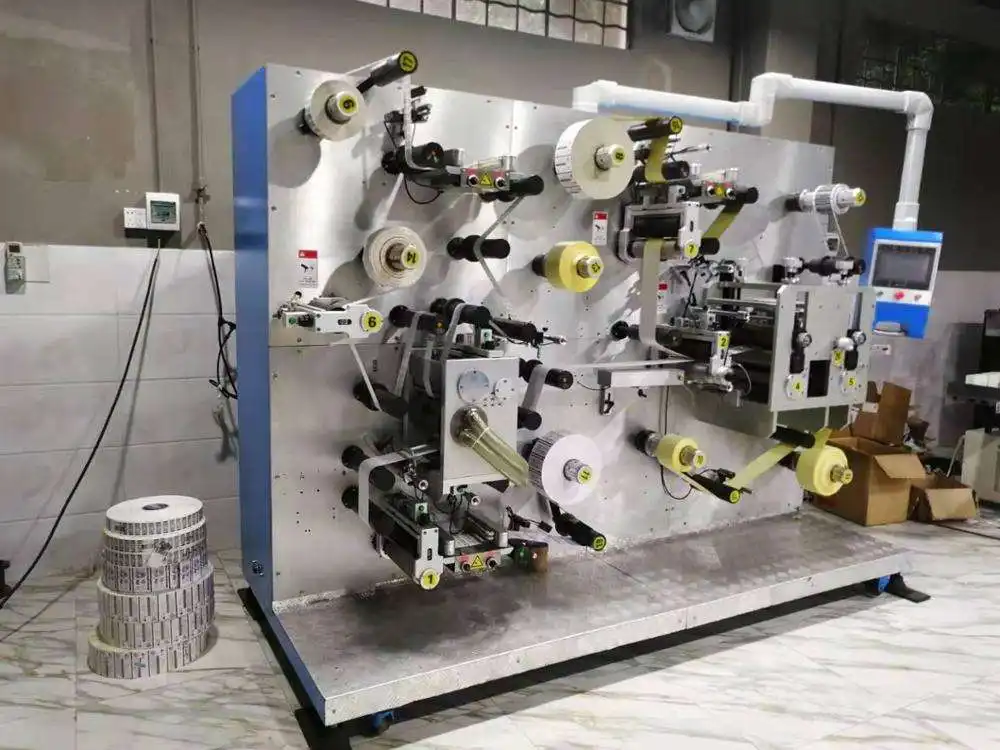
Technology Standards and Compliance
Industrial RFID labeling machines must comply with established frequency standards and communication protocols to ensure interoperability across different systems and geographic regions. Most manufacturing applications utilize UHF RFID technology operating within the 860-960 MHz frequency range, which provides optimal read range and data transmission capabilities for industrial environments. Compliance with international standards such as EPC Gen2 and ISO 18000-6C ensures that encoded tags can be read by various RFID readers throughout the supply chain.
Quality assurance requirements in manufacturing environments demand that RFID labeling machines maintain consistent performance under challenging operating conditions. These systems must withstand temperature fluctuations, humidity variations, and electromagnetic interference while continuing to deliver accurate labeling results. Manufacturers should verify that their chosen RFID labeling machine meets relevant industry certifications and regulatory requirements specific to their operational environment and geographic location.
Pre-Integration Planning and Assessment
Production Line Analysis
Successful integration of an RFID labeling machine begins with comprehensive analysis of existing production line configurations and workflow patterns. Manufacturing engineers must evaluate current conveyor systems, product handling mechanisms, and packaging processes to determine optimal placement locations for RFID labeling equipment. This assessment includes measuring available space, identifying power supply requirements, and analyzing product flow rates to ensure the RFID labeling machine can operate efficiently within existing constraints.
Production line analysis also involves studying product characteristics such as materials, dimensions, and packaging formats to ensure compatibility with RFID labeling processes. Different product types may require specific tag placement strategies and encoding parameters to achieve optimal read performance throughout the supply chain. Factory managers must consider how the RFID labeling machine will interact with downstream processes including packaging, palletizing, and shipping operations.
Infrastructure Requirements
Implementing an RFID labeling machine requires adequate infrastructure support including electrical power, compressed air, and network connectivity to enable seamless integration with manufacturing execution systems. Facilities must ensure sufficient power capacity to support continuous operation while providing appropriate electrical protection and grounding systems. Network infrastructure should support real-time data transmission between the RFID labeling machine and central management systems without creating communication bottlenecks.
Physical infrastructure considerations include adequate ventilation, temperature control, and maintenance access around the RFID labeling machine installation area. Manufacturing facilities often require custom mounting brackets, safety enclosures, and integration hardware to properly position the equipment within existing production line layouts. Environmental factors such as dust control, chemical exposure, and vibration dampening may necessitate additional protective measures to ensure reliable long-term operation.
Integration Process and Implementation
Mechanical Integration Steps
The mechanical integration of an RFID labeling machine involves precise alignment with conveyor systems and product handling equipment to ensure accurate label placement and consistent processing speeds. Installation technicians must carefully position the machine to accommodate product variations while maintaining proper clearances for maintenance access. Mechanical adjustments may include conveyor height modifications, guide rail installations, and sensor positioning to optimize product detection and labeling accuracy.
Synchronization with existing production equipment requires careful coordination of timing sequences and control signals to prevent product jams or labeling errors. The RFID labeling machine must communicate effectively with upstream and downstream equipment through programmable logic controllers or industrial communication networks. Testing procedures should verify proper mechanical operation under various production scenarios including different product sizes, speeds, and orientation requirements.
Software Configuration and Testing
Software configuration represents a critical phase in RFID labeling machine integration, requiring detailed setup of encoding parameters, label formats, and communication protocols. System administrators must configure database connections, establish data validation rules, and implement error handling procedures to ensure reliable operation. The software interface should provide operators with intuitive controls for monitoring system status, adjusting parameters, and responding to operational alerts.
Comprehensive testing protocols verify that the RFID labeling machine correctly encodes tag data, applies labels with proper positioning, and communicates successfully with enterprise systems. Testing scenarios should include various product types, production speeds, and exception handling situations to validate system performance under real-world operating conditions. Performance metrics such as labeling accuracy, throughput rates, and system uptime should be documented during testing phases to establish baseline operational parameters.
Operational Optimization and Maintenance
Performance Monitoring Systems
Continuous monitoring of RFID labeling machine performance ensures optimal productivity and early detection of potential issues that could impact production efficiency. Modern systems incorporate sophisticated diagnostic capabilities that track key performance indicators including label application accuracy, encoding success rates, and mechanical component status. Real-time monitoring dashboards provide operators with immediate visibility into system performance while generating historical data for trend analysis and predictive maintenance planning.
Integration with manufacturing execution systems enables comprehensive tracking of RFID labeling machine performance within the broader context of production line efficiency. Automated alert systems notify operators and maintenance personnel when performance parameters exceed acceptable thresholds or when scheduled maintenance intervals approach. This proactive approach minimizes unplanned downtime while ensuring consistent labeling quality throughout production runs.
Maintenance Protocols and Best Practices
Establishing comprehensive maintenance protocols ensures reliable long-term operation of RFID labeling machine installations while minimizing unexpected failures that could disrupt production schedules. Regular maintenance tasks include cleaning print heads, replacing consumable components, calibrating sensors, and updating software configurations. Maintenance technicians should follow manufacturer-specified procedures while documenting all service activities to maintain warranty compliance and performance history records.
Preventive maintenance programs should incorporate regular inspection of mechanical components, electrical connections, and communication interfaces to identify potential issues before they impact production operations. Spare parts inventory management ensures availability of critical components while minimizing storage costs and obsolescence risks. Training programs for maintenance personnel should cover both routine maintenance procedures and advanced troubleshooting techniques specific to RFID labeling machine technology.
Quality Control and Validation
Label Verification Systems
Quality control measures for RFID labeling machine operations must include comprehensive label verification systems that validate both visual appearance and electronic data integrity. Integrated vision systems can inspect label placement accuracy, print quality, and barcode readability while RFID verification readers confirm successful data encoding and tag functionality. These verification processes provide immediate feedback on labeling quality and enable automatic rejection of defective products before they proceed to subsequent production stages.
Statistical quality control methods help identify trends and patterns in RFID labeling machine performance that may indicate emerging issues or opportunities for process improvement. Quality metrics should encompass both quantitative measurements such as positioning accuracy and qualitative assessments including label adhesion and durability. Regular quality audits verify compliance with customer specifications and regulatory requirements while providing data for continuous improvement initiatives.
Traceability and Documentation
Comprehensive traceability systems enabled by RFID labeling machine integration provide detailed records of product history from raw materials through finished goods shipment. Electronic documentation eliminates manual record-keeping errors while providing instant access to production data for quality investigations, recall procedures, and regulatory compliance reporting. Integration with enterprise resource planning systems ensures consistency between physical product identification and digital records throughout the supply chain.
Documentation protocols should establish clear procedures for data backup, archive management, and system recovery to protect critical production information. Regular validation of traceability data accuracy ensures that RFID labeling machine systems continue to provide reliable product identification throughout their operational lifecycle. Audit trails should track all system modifications, parameter changes, and maintenance activities to support quality management system requirements and regulatory compliance obligations.
FAQ
What factors determine the optimal placement location for an RFID labeling machine in a production line
The optimal placement location for an RFID labeling machine depends on several critical factors including product orientation stability, conveyor accessibility, and integration requirements with existing equipment. The machine should be positioned where products maintain consistent positioning and speed, typically after forming or packaging processes but before final sealing operations. Adequate clearance for maintenance access, proper ventilation, and protection from environmental hazards are essential considerations. The location must also accommodate necessary connections for power, compressed air, and network communications while allowing for future expansion or modifications.
How long does it typically take to fully integrate an RFID labeling machine into an existing production line
Complete integration of an RFID labeling machine typically requires 2-4 weeks depending on the complexity of the production line and existing infrastructure. This timeframe includes mechanical installation, electrical connections, software configuration, testing procedures, and operator training. Simple installations with minimal customization may be completed in 1-2 weeks, while complex integrations requiring custom interfaces, extensive testing, or specialized safety systems may take 6-8 weeks. Pre-planning phases including site surveys, equipment specification, and infrastructure preparation can significantly reduce actual installation time.
What are the most common challenges encountered during RFID labeling machine integration
Common integration challenges include synchronization issues with existing conveyor systems, software compatibility problems with enterprise systems, and environmental factors affecting RFID tag performance. Mechanical alignment difficulties can occur when accommodating various product sizes or when space constraints limit optimal positioning. Network connectivity issues may arise when integrating with legacy manufacturing execution systems that lack modern communication protocols. Environmental challenges such as electromagnetic interference, temperature fluctuations, or chemical exposure can impact both equipment reliability and tag readability, requiring additional protective measures or specialized components.
How can manufacturers ensure optimal performance and longevity of their RFID labeling machine investment
Optimal performance and longevity require implementing comprehensive preventive maintenance programs that include regular cleaning, calibration, and component replacement according to manufacturer specifications. Establishing proper operator training programs ensures correct operation while minimizing user-induced errors or equipment damage. Environmental controls such as dust filtration, temperature regulation, and vibration dampening protect sensitive components from premature wear. Regular software updates and security patches maintain system reliability and protect against cybersecurity threats. Performance monitoring systems provide early warning of potential issues while maintaining detailed service records supports warranty compliance and facilitates troubleshooting efforts.
Recommended Products
Hot News
-
Reflect On The Cultural Significance Of The Printing Press In Preserving And Disseminating Knowledge
2023-12-08
-
The Role Of The Printing Press In The Global Economy
2023-12-08
-
Environmental Impact: Analyzing The Environmental Footprint Of The Printing Industry
2023-12-08
-
The Frontier Of Printing: 3d Printing And Its Industrial Renaissance
2023-12-08
-
The Evolution And Impact Of The Printing Press
2023-12-08