 EN
EN
 AR
AR
 CS
CS
 DA
DA
 NL
NL
 FI
FI
 FR
FR
 DE
DE
 EL
EL
 HI
HI
 IT
IT
 JA
JA
 KO
KO
 PL
PL
 PT
PT
 RO
RO
 RU
RU
 ES
ES
 SV
SV
 IW
IW
 ID
ID
 VI
VI
 SQ
SQ
 HU
HU
 MT
MT
 TH
TH
 TR
TR
 AF
AF
 GA
GA
 BN
BN
 BS
BS
 LO
LO
 LA
LA
 MI
MI
 MN
MN
 NE
NE
 MY
MY
 KK
KK
 UZ
UZ
 KY
KY
How do visual detection machines support automated quality inspection?
Modern manufacturing facilities increasingly rely on advanced automated systems to maintain consistent quality standards across production lines. The integration of sophisticated imaging technology with artificial intelligence has revolutionized how manufacturers approach quality control processes. A visual detection machine serves as the cornerstone of contemporary automated inspection systems, providing unprecedented accuracy and speed in identifying defects, measuring dimensions, and verifying product specifications. These intelligent systems have become indispensable tools for manufacturers seeking to eliminate human error while maintaining the highest quality standards in their operations.
Core Technologies Behind Visual Detection Systems
Advanced Camera and Sensor Integration
The foundation of any effective visual detection machine lies in its sophisticated camera and sensor array. High-resolution industrial cameras capture detailed images at incredible speeds, often processing thousands of frames per second to keep pace with rapid production lines. These cameras utilize various imaging technologies including visible light, infrared, and ultraviolet spectrums to detect different types of defects that might be invisible to standard optical systems. The integration of multiple sensor types allows a single visual detection machine to perform comprehensive inspections across diverse product characteristics.
Modern sensor technology enables visual detection machines to identify microscopic flaws, color variations, dimensional inconsistencies, and surface irregularities with remarkable precision. Advanced CMOS and CCD sensors provide the sensitivity required to detect subtle defects while maintaining the processing speed necessary for real-time quality control. The combination of high-speed imaging with precision optics ensures that every product passing through the inspection zone receives thorough evaluation without slowing down production processes.
Machine Learning and Pattern Recognition
Artificial intelligence algorithms form the analytical backbone of contemporary visual detection machines, enabling them to learn from vast datasets and improve their accuracy over time. Deep learning networks process captured images to identify patterns, anomalies, and defects with increasing sophistication. These systems can distinguish between acceptable variations in manufacturing tolerances and genuine quality issues that require immediate attention. The machine learning capabilities allow visual detection machines to adapt to new product lines and evolving quality standards without requiring extensive reprogramming.
Pattern recognition technology enables visual detection machines to perform complex comparative analyses against reference standards and historical data. The systems build comprehensive databases of acceptable and unacceptable product characteristics, continuously refining their decision-making processes. This adaptive capability ensures that quality inspection becomes more accurate and reliable as the system gains experience with specific manufacturing processes and product variations.
Implementation Strategies for Manufacturing Environments
Integration with Existing Production Lines
Successful deployment of a visual detection machine requires careful consideration of existing production workflows and infrastructure. Manufacturers must evaluate their current conveyor systems, lighting conditions, and spatial constraints to determine optimal placement and configuration of inspection equipment. The integration process typically involves collaboration between production engineers, quality control specialists, and technology vendors to ensure seamless operation without disrupting established manufacturing processes.
Strategic placement of visual detection machines at critical inspection points maximizes their effectiveness while minimizing impact on production throughput. Common installation locations include post-assembly stations, packaging lines, and final inspection checkpoints where comprehensive quality verification is essential. The flexibility of modern visual detection systems allows for both inline and offline inspection configurations, providing manufacturers with options that best suit their specific operational requirements.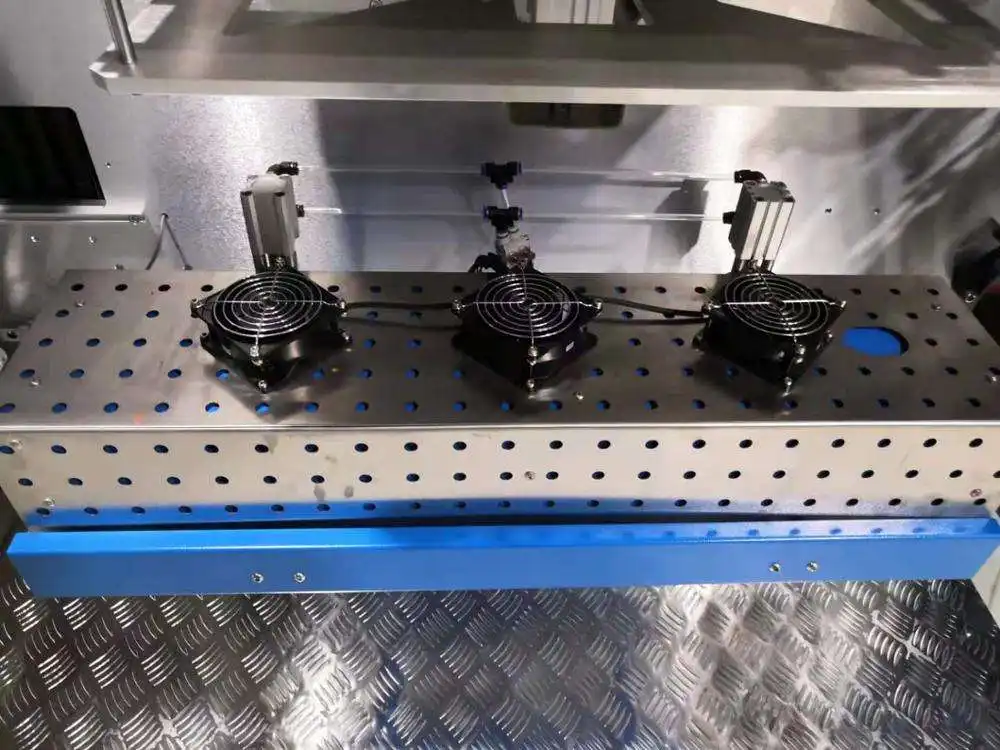
Customization for Specific Industry Applications
Different manufacturing sectors require specialized configurations and capabilities from their visual detection machines. Automotive manufacturers focus on dimensional accuracy and surface finish quality, while pharmaceutical companies prioritize contamination detection and packaging integrity. Electronics manufacturers need systems capable of identifying microscopic defects on circuit boards and component assemblies. Each industry application demands specific optical configurations, lighting setups, and analytical algorithms tailored to their unique quality requirements.
The versatility of modern visual detection machines allows for extensive customization through software configuration and hardware modifications. Manufacturers can implement industry-specific inspection protocols, adjust sensitivity parameters for different product categories, and establish custom reporting formats that align with their quality management systems. This adaptability ensures that visual detection technology can address the diverse needs of various manufacturing sectors while maintaining consistent performance standards.
Quality Control Benefits and Performance Metrics
Accuracy and Consistency Improvements
The implementation of visual detection machines delivers significant improvements in inspection accuracy compared to traditional manual quality control methods. These systems eliminate the variability and fatigue factors associated with human inspectors, providing consistent evaluation criteria across all production shifts. Statistical analysis shows that automated visual inspection can achieve accuracy rates exceeding 99.5% while maintaining inspection speeds that far surpass manual capabilities.
Consistency in quality evaluation becomes particularly important for manufacturers serving regulated industries or maintaining strict customer specifications. A visual detection machine provides objective, repeatable assessments that eliminate subjective interpretation and ensure uniform quality standards across entire production runs. This consistency reduces customer complaints, warranty claims, and the associated costs of quality failures in the marketplace.
Cost Reduction and Efficiency Gains
Economic benefits from visual detection machine implementation extend far beyond initial equipment costs through reduced labor requirements, decreased scrap rates, and improved overall equipment effectiveness. Automated inspection systems operate continuously without breaks, overtime costs, or training requirements associated with human inspectors. The rapid identification and removal of defective products prevents downstream processing costs and reduces material waste throughout the manufacturing process.
Long-term cost savings accumulate through improved process control and reduced quality-related incidents. Visual detection machines provide real-time feedback to production operators, enabling immediate corrections that prevent the production of additional defective items. This proactive approach to quality management significantly reduces the costs associated with batch rejections, customer returns, and potential liability issues resulting from quality failures.
Real-Time Data Analysis and Reporting
Statistical Process Control Integration
Modern visual detection machines generate comprehensive datasets that integrate seamlessly with statistical process control systems and quality management software. These systems track defect rates, identify trending issues, and provide predictive insights that enable proactive maintenance and process optimization. The continuous monitoring capabilities allow quality managers to identify potential problems before they impact product quality or production efficiency.
Data visualization tools present inspection results in formats that facilitate quick decision-making and trend analysis. Visual detection machines can generate automated reports, send alerts for out-of-specification conditions, and maintain detailed historical records for compliance and continuous improvement initiatives. This data-driven approach to quality management enables manufacturers to make informed decisions based on objective evidence rather than subjective observations.
Traceability and Documentation Capabilities
Regulatory compliance requirements in many industries demand comprehensive documentation and traceability of quality control activities. Visual detection machines automatically capture and store detailed inspection records, including time stamps, image documentation, and specific defect classifications for every inspected item. This automated documentation eliminates manual record-keeping requirements while ensuring complete audit trails for quality assurance purposes.
Advanced traceability features enable manufacturers to correlate quality issues with specific production parameters, material lots, and operator assignments. When quality problems arise, visual detection machine data provides valuable forensic information that helps identify root causes and implement effective corrective actions. This comprehensive documentation capability supports continuous improvement efforts and demonstrates compliance with industry quality standards.
Future Developments in Visual Detection Technology
Artificial Intelligence Advancement
The evolution of artificial intelligence continues to enhance the capabilities of visual detection machines through improved pattern recognition, faster processing speeds, and more sophisticated defect classification algorithms. Emerging technologies such as edge computing enable real-time AI processing directly within inspection systems, reducing latency and improving response times for critical quality decisions. These advances allow visual detection machines to handle increasingly complex inspection tasks while maintaining the speed required for high-volume manufacturing operations.
Future AI developments promise to deliver even greater autonomy in visual detection systems, with machines capable of self-learning and adapting to new product variations without human intervention. Advanced neural networks will enable visual detection machines to perform contextual analysis, understanding not just what defects exist but also their potential impact on product performance and customer satisfaction. This evolution toward intelligent quality systems represents a significant advancement in manufacturing technology capabilities.
Integration with Industry 4.0 Concepts
The convergence of visual detection technology with Industry 4.0 principles creates opportunities for unprecedented integration between quality control systems and broader manufacturing operations. Connected visual detection machines will communicate directly with production equipment, supply chain systems, and enterprise resource planning software to create comprehensive manufacturing ecosystems. This connectivity enables automatic adjustments to production parameters based on quality feedback and facilitates predictive maintenance strategies.
Smart manufacturing environments will leverage visual detection machine data to optimize entire production processes, from raw material selection through final product delivery. The integration of quality data with operational metrics enables manufacturers to achieve new levels of efficiency while maintaining superior product quality. This holistic approach to manufacturing optimization represents the future direction of industrial automation and quality management systems.
FAQ
What types of defects can visual detection machines identify
Visual detection machines can identify a wide range of defects including dimensional variations, surface scratches, color inconsistencies, missing components, contamination, cracks, and assembly errors. The specific detection capabilities depend on the camera resolution, lighting configuration, and software algorithms implemented for each application. Advanced systems can detect defects as small as a few micrometers and distinguish between acceptable manufacturing tolerances and genuine quality issues requiring corrective action.
How do visual detection machines handle different product sizes and shapes
Modern visual detection machines incorporate flexible positioning systems and adjustable optical configurations that accommodate various product dimensions and geometries. Automated focusing mechanisms and multi-angle camera arrays ensure comprehensive inspection coverage regardless of product size or orientation. Software algorithms can be programmed with multiple product profiles, allowing a single visual detection machine to inspect diverse items without manual reconfiguration between product changeovers.
What maintenance requirements do visual detection machines have
Visual detection machines require regular cleaning of optical components, periodic calibration checks, and software updates to maintain optimal performance. Preventive maintenance typically includes lens cleaning, lighting system verification, and mechanical component lubrication according to manufacturer specifications. Most systems include self-diagnostic capabilities that monitor performance parameters and alert operators to potential maintenance needs before they impact inspection accuracy or reliability.
How quickly can visual detection machines be implemented in existing production lines
Implementation timelines for visual detection machines vary depending on application complexity and integration requirements, typically ranging from several weeks to a few months. Simple inline inspection applications may be deployed within 2-4 weeks, while complex multi-station systems requiring custom software development may take 8-12 weeks. Factors affecting implementation speed include mechanical integration complexity, software customization requirements, operator training needs, and validation testing protocols specific to the manufacturing environment.
Recommended Products
Hot News
-
Reflect On The Cultural Significance Of The Printing Press In Preserving And Disseminating Knowledge
2023-12-08
-
The Role Of The Printing Press In The Global Economy
2023-12-08
-
Environmental Impact: Analyzing The Environmental Footprint Of The Printing Industry
2023-12-08
-
The Frontier Of Printing: 3d Printing And Its Industrial Renaissance
2023-12-08
-
The Evolution And Impact Of The Printing Press
2023-12-08