 EN
EN
 AR
AR
 CS
CS
 DA
DA
 NL
NL
 FI
FI
 FR
FR
 DE
DE
 EL
EL
 HI
HI
 IT
IT
 JA
JA
 KO
KO
 PL
PL
 PT
PT
 RO
RO
 RU
RU
 ES
ES
 SV
SV
 IW
IW
 ID
ID
 VI
VI
 SQ
SQ
 HU
HU
 MT
MT
 TH
TH
 TR
TR
 AF
AF
 GA
GA
 BN
BN
 BS
BS
 LO
LO
 LA
LA
 MI
MI
 MN
MN
 NE
NE
 MY
MY
 KK
KK
 UZ
UZ
 KY
KY
What integration factors influence visual detection machine procurement?
Manufacturing industries worldwide are experiencing unprecedented demand for precision quality control systems, with visual detection machine technology leading this transformation. These sophisticated systems have revolutionized how manufacturers approach quality assurance, combining advanced imaging capabilities with artificial intelligence to deliver unmatched inspection accuracy. The procurement of a visual detection machine represents a strategic investment that can significantly impact production efficiency, reduce waste, and enhance overall product quality across diverse manufacturing environments.
Industrial automation has reached new heights with the integration of intelligent inspection systems that can detect microscopic defects, dimensional variations, and surface irregularities that would be impossible for human operators to identify consistently. The modern visual detection machine incorporates multiple sensor technologies, high-resolution cameras, and sophisticated algorithms to provide real-time quality monitoring throughout production processes. Companies investing in these systems must carefully evaluate numerous integration factors to ensure optimal performance and return on investment.
Technical Infrastructure Requirements
Hardware Compatibility Assessment
Successful integration of a visual detection machine begins with comprehensive evaluation of existing production line hardware and infrastructure capabilities. Manufacturing facilities must assess their current conveyor systems, lighting conditions, and available mounting spaces to determine compatibility with new inspection equipment. The physical dimensions and weight specifications of the visual detection machine must align with existing production line configurations to avoid costly modifications or disruptions to ongoing operations.
Power requirements represent another critical consideration, as modern inspection systems often demand stable electrical supply with specific voltage and amperage characteristics. Facilities must verify their electrical infrastructure can support the additional load while maintaining consistent power quality to prevent interference with sensitive detection algorithms. Environmental factors such as temperature, humidity, and vibration levels in the installation area directly impact the performance and longevity of precision inspection equipment.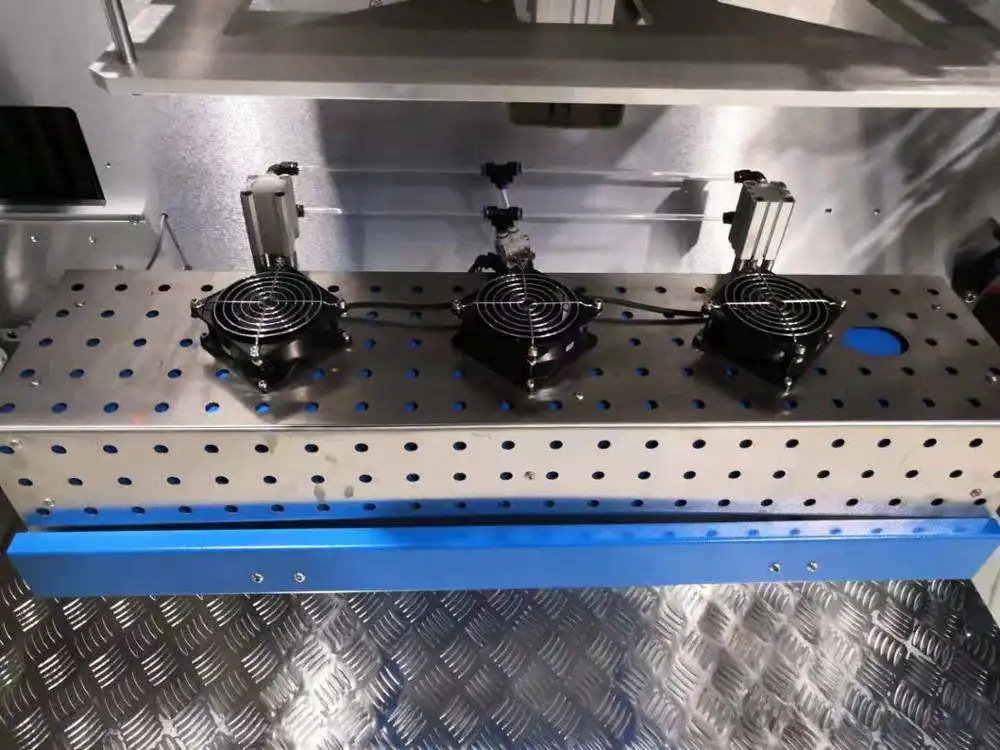
Network and Connectivity Infrastructure
Contemporary visual detection machine systems require robust network connectivity to facilitate data exchange with manufacturing execution systems, quality management databases, and remote monitoring platforms. Ethernet connections, wireless protocols, and industrial communication standards must be evaluated to ensure seamless integration with existing factory networks. The bandwidth requirements for transmitting high-resolution inspection images and real-time quality data necessitate careful network capacity planning.
Data security considerations become paramount when connecting inspection systems to broader factory networks or cloud-based analytics platforms. Manufacturers must implement appropriate cybersecurity measures, including firewalls, encryption protocols, and access controls to protect sensitive production data and prevent unauthorized access to critical quality control systems. Network redundancy and backup communication pathways ensure continuous operation even during primary network failures.
Software Integration and Data Management
Manufacturing Execution System Compatibility
The seamless integration of a visual detection machine with existing manufacturing execution systems requires careful evaluation of software compatibility and data exchange protocols. Modern inspection systems generate vast amounts of quality data that must be efficiently processed, stored, and analyzed to provide actionable insights for production optimization. Application programming interfaces and standardized communication protocols facilitate smooth data flow between inspection equipment and factory management systems.
Database integration capabilities determine how effectively quality control data can be incorporated into existing quality management systems and traceability platforms. The visual detection machine must be capable of associating inspection results with specific product batches, serial numbers, and production timestamps to maintain comprehensive quality records. Real-time data synchronization ensures that quality issues are immediately flagged and communicated to relevant production personnel.
Analytics and Reporting Capabilities
Advanced analytics capabilities built into modern visual detection machine systems provide manufacturers with unprecedented visibility into production quality trends and process variations. Statistical process control features enable automatic detection of quality drift and predictive maintenance alerts based on inspection performance patterns. The system must be capable of generating customizable reports that align with existing quality documentation requirements and regulatory compliance standards.
Integration with business intelligence platforms allows quality data from the visual detection machine to be combined with other production metrics for comprehensive performance analysis. Dashboard interfaces provide real-time visibility into quality KPIs, defect trends, and production efficiency metrics. Historical data analysis capabilities enable continuous improvement initiatives and help identify root causes of quality issues across different production parameters.
Operational Integration Considerations
Workflow Integration and Process Optimization
Successful deployment of a visual detection machine requires careful analysis of existing production workflows and quality control procedures. The inspection system must be positioned strategically within the production line to maximize detection effectiveness while minimizing impact on production throughput. Timing considerations include inspection cycle times, product handling requirements, and integration with existing sorting or rejection mechanisms.
Operator training requirements must be evaluated to ensure production personnel can effectively operate and maintain the new inspection equipment. The visual detection machine interface should be intuitive and align with existing operator skill levels to minimize learning curves and reduce the risk of operational errors. Standard operating procedures must be updated to incorporate new quality control protocols and inspection parameters.
Maintenance and Support Integration
Preventive maintenance schedules for the visual detection machine must be integrated with existing facility maintenance programs to ensure optimal system performance and minimize unplanned downtime. The inspection system should provide predictive maintenance alerts and diagnostic capabilities that align with plant maintenance management systems. Spare parts inventory requirements and supplier support capabilities must be evaluated to ensure long-term operational reliability.
Remote diagnostic capabilities enable equipment manufacturers and service providers to monitor system performance and provide proactive support when issues arise. The visual detection machine should include comprehensive logging and diagnostic features that facilitate rapid troubleshooting and minimize production disruptions. Service level agreements and response time commitments must align with production requirements and quality control criticality.
Quality Standards and Regulatory Compliance
Industry-Specific Quality Requirements
Different manufacturing industries have unique quality standards and regulatory requirements that must be considered when implementing a visual detection machine system. Automotive manufacturers must comply with IATF 16949 standards, while pharmaceutical companies must meet FDA validation requirements for inspection equipment. The inspection system must be capable of documenting and validating its performance according to relevant industry standards and regulatory guidelines.
Calibration and verification procedures for the visual detection machine must align with existing quality management system requirements and measurement standards. The system should provide automated calibration verification features and maintain detailed records of performance validation activities. Traceability requirements may necessitate specific data retention periods and documentation formats that must be supported by the inspection equipment.
Documentation and Validation Requirements
Comprehensive documentation packages must accompany the visual detection machine installation, including detailed specifications, operating procedures, and validation protocols. Installation qualification, operational qualification, and performance qualification activities must be planned and executed according to industry best practices and regulatory requirements. The system must maintain detailed audit trails and electronic records that comply with relevant data integrity standards.
Change control procedures must be established to manage software updates, parameter modifications, and configuration changes to the visual detection machine system. Version control and backup procedures ensure that system configurations can be restored in case of failures or unauthorized modifications. Regular performance reviews and system revalidation activities must be scheduled to maintain compliance with quality standards throughout the equipment lifecycle.
Cost-Benefit Analysis and ROI Considerations
Total Cost of Ownership Evaluation
Procurement decisions for a visual detection machine must consider the total cost of ownership beyond the initial equipment purchase price. Implementation costs include installation, integration, training, and validation activities that can significantly impact the overall investment. Ongoing operational costs encompass maintenance, consumables, software licenses, and periodic calibration requirements that must be factored into long-term budget planning.
Energy consumption and facility modification costs should be evaluated as part of the comprehensive cost analysis. The visual detection machine may require specialized lighting, environmental controls, or structural modifications that add to the total implementation cost. Opportunity costs associated with production downtime during installation and commissioning must also be considered in the economic evaluation.
Return on Investment Metrics
Quantifiable benefits from implementing a visual detection machine include reduced scrap rates, decreased customer complaints, and improved production efficiency. Quality cost reductions through early defect detection and prevention can generate significant savings compared to downstream quality issues and customer returns. The inspection system can also enable reduced manual inspection labor costs and improved consistency in quality control activities.
Productivity improvements result from automated inspection capabilities that can operate continuously without fatigue or inconsistency issues common with manual inspection methods. The visual detection machine can process products at higher speeds while maintaining superior detection accuracy, potentially increasing overall production throughput. Brand protection and customer satisfaction improvements provide additional intangible benefits that contribute to long-term business success.
Supplier Selection and Partnership Considerations
Vendor Capability Assessment
Selecting the appropriate supplier for a visual detection machine requires comprehensive evaluation of vendor technical capabilities, industry experience, and support infrastructure. The supplier should demonstrate proven experience with similar applications and industry-specific requirements. References from existing customers and case studies provide valuable insights into supplier performance and customer satisfaction levels.
Technical support capabilities including local service presence, response times, and escalation procedures must align with production requirements and quality criticality. The vendor should provide comprehensive training programs for operators, maintenance personnel, and quality engineers. Software update policies and long-term product support commitments ensure continued system performance throughout the equipment lifecycle.
Partnership and Support Framework
Establishing a strategic partnership with the visual detection machine supplier facilitates ongoing collaboration and continuous improvement initiatives. Joint development programs may enable customization of inspection algorithms or hardware configurations to optimize performance for specific applications. Regular performance reviews and system optimization sessions help maximize the return on investment from the inspection equipment.
Service level agreements should clearly define response times, performance guarantees, and escalation procedures for critical issues. Preventive maintenance programs and spare parts availability commitments ensure minimal production disruptions. The supplier should provide detailed documentation and knowledge transfer to enable effective internal support and troubleshooting capabilities.
FAQ
What are the most critical integration factors when implementing a visual detection machine
The most critical integration factors include technical infrastructure compatibility, software integration capabilities, workflow optimization, and regulatory compliance requirements. Manufacturing facilities must ensure their existing systems can support the new inspection equipment while meeting industry-specific quality standards and operational requirements.
How does network infrastructure impact visual detection machine performance
Network infrastructure directly affects data transmission speed, system reliability, and integration capabilities with existing manufacturing systems. Adequate bandwidth, network security measures, and redundant communication pathways are essential for optimal visual detection machine performance and seamless data exchange with quality management systems.
What ongoing costs should be considered for visual detection machine ownership
Ongoing costs include regular maintenance, software licensing, calibration activities, consumables, energy consumption, and periodic system updates. Training costs for new personnel and potential facility modifications should also be factored into the total cost of ownership calculation for comprehensive budget planning.
How can manufacturers maximize ROI from visual detection machine investments
Maximizing ROI requires careful system selection based on specific application requirements, comprehensive operator training, regular performance optimization, and leveraging advanced analytics capabilities. Manufacturers should focus on quantifying quality improvements, productivity gains, and cost reductions while establishing strategic partnerships with equipment suppliers for ongoing support and optimization.
Recommended Products
Hot News
-
Reflect On The Cultural Significance Of The Printing Press In Preserving And Disseminating Knowledge
2023-12-08
-
The Role Of The Printing Press In The Global Economy
2023-12-08
-
Environmental Impact: Analyzing The Environmental Footprint Of The Printing Industry
2023-12-08
-
The Frontier Of Printing: 3d Printing And Its Industrial Renaissance
2023-12-08
-
The Evolution And Impact Of The Printing Press
2023-12-08