 EN
EN
 AR
AR
 CS
CS
 DA
DA
 NL
NL
 FI
FI
 FR
FR
 DE
DE
 EL
EL
 HI
HI
 IT
IT
 JA
JA
 KO
KO
 PL
PL
 PT
PT
 RO
RO
 RU
RU
 ES
ES
 SV
SV
 IW
IW
 ID
ID
 VI
VI
 SQ
SQ
 HU
HU
 MT
MT
 TH
TH
 TR
TR
 AF
AF
 GA
GA
 BN
BN
 BS
BS
 LO
LO
 LA
LA
 MI
MI
 MN
MN
 NE
NE
 MY
MY
 KK
KK
 UZ
UZ
 KY
KY
Why Are Care Label Print Machines Popular Among OEM and ODM Clothing Manufacturers?
The global textile and apparel industry has witnessed tremendous growth in recent years, with OEM and ODM manufacturers leading the charge in producing high-quality garments for international brands. Among the critical equipment investments these manufacturers prioritize, care label print machines have emerged as essential tools for ensuring compliance with international labeling standards while maintaining operational efficiency. These sophisticated printing solutions enable manufacturers to produce professional-grade care labels that meet stringent regulatory requirements across different markets.
Modern clothing manufacturing demands precision and reliability at every stage of production. Care labels serve as crucial communication tools between manufacturers and end consumers, providing essential information about fabric composition, washing instructions, and garment care procedures. The accuracy and durability of these labels directly impact brand reputation and consumer satisfaction, making the choice of printing equipment a strategic business decision for manufacturers worldwide.
Understanding the Role of Care Labels in Modern Apparel Manufacturing
Regulatory Compliance and International Standards
The textile industry operates under strict regulatory frameworks that vary significantly across different geographical markets. European Union regulations require comprehensive labeling that includes fiber content percentages, country of origin, and detailed care instructions using standardized symbols. Similarly, the Federal Trade Commission in the United States mandates specific labeling requirements for textile products sold in American markets. Care label print machines enable manufacturers to produce compliant labels that meet these diverse regulatory requirements without compromising on quality or readability.
International standards such as ISO 3758 define the symbols and terminology used in care labeling, ensuring consistent communication across global markets. Manufacturers who invest in professional printing equipment can easily adapt their label production to meet these standards while maintaining the flexibility to customize labels for different client requirements. This adaptability proves particularly valuable for OEM and ODM manufacturers who serve multiple international brands with varying specifications.
Quality Control and Brand Protection
Premium brands invest significant resources in building consumer trust and market reputation. Care labels represent a direct touchpoint with consumers, and their quality reflects the overall attention to detail that characterizes the manufacturing process. High-quality printed labels demonstrate professionalism and reinforce brand values, while poorly printed or illegible labels can negatively impact consumer perception and potentially lead to customer complaints or returns.
Advanced printing equipment ensures consistent color reproduction, sharp text clarity, and durable adhesion properties that withstand repeated washing cycles. This reliability protects both the manufacturer and the brand owner from potential liability issues related to inadequate care instructions or label failure. Professional care label print machines incorporate quality control features that monitor print consistency and alert operators to potential issues before they affect product quality.
Technological Advantages of Professional Label Printing Equipment
Precision Engineering and Print Quality
Contemporary care label print machines incorporate advanced printing technologies that deliver exceptional resolution and color accuracy. Digital printing systems offer precise dot placement and consistent ink distribution, ensuring that even the smallest text remains legible throughout the garment's lifecycle. This precision proves particularly important when printing complex care symbols or multilingual instructions that require clear differentiation between similar characters.
Modern equipment features sophisticated color management systems that maintain consistency across large production runs. These systems automatically calibrate ink density and color profiles, reducing waste and ensuring that every label meets the specified quality standards. The integration of advanced sensors and monitoring systems enables real-time quality assessment, allowing operators to make immediate adjustments when necessary.
Production Efficiency and Scalability
High-volume manufacturing environments demand equipment that can maintain consistent output rates without compromising quality. Professional label printing machines are engineered to operate continuously under demanding production schedules, featuring robust mechanical systems and reliable electronic controls. These machines typically offer impressive throughput rates that enable manufacturers to meet tight delivery deadlines while maintaining cost-effective production economics.
Scalability becomes particularly important for manufacturers who experience seasonal demand fluctuations or sudden order increases. Modern printing equipment can be easily integrated into existing production lines and scaled up or down based on current requirements. This flexibility allows manufacturers to respond quickly to market opportunities without significant capital investment in additional equipment or facility modifications.
Economic Benefits and Return on Investment
Cost Reduction Through In-House Production
Many manufacturers initially rely on external suppliers for their care label requirements, which can result in significant ongoing expenses and reduced control over quality and delivery schedules. Investing in professional printing equipment enables manufacturers to bring this critical process in-house, resulting in substantial long-term cost savings. The elimination of supplier margins and transportation costs directly improves profit margins while providing greater control over production scheduling.
In-house production also eliminates the lead times associated with external suppliers, enabling manufacturers to respond more quickly to rush orders or last-minute design changes. This responsiveness can provide a significant competitive advantage in markets where time-to-market is crucial. Additionally, manufacturers can better manage inventory levels and reduce waste by producing labels on-demand rather than maintaining large stockpiles of pre-printed materials.
Enhanced Customization Capabilities
Professional care label print machines offer extensive customization options that enable manufacturers to differentiate their services and add value for their clients. Variable data printing capabilities allow for the production of unique labels with serialized information, batch codes, or personalized branding elements. This flexibility proves particularly valuable for premium brands that require specialized labeling solutions or limited-edition product lines.
The ability to quickly prototype and test new label designs without external dependencies accelerates the product development process. Manufacturers can work closely with their clients to refine label specifications and ensure optimal integration with garment designs. This collaborative approach strengthens client relationships and positions manufacturers as strategic partners rather than simple service providers.
Integration with Modern Manufacturing Systems
Automation and Workflow Optimization
Contemporary manufacturing environments rely heavily on automated systems and integrated workflows to maximize efficiency and minimize errors. Advanced care label print machines are designed to integrate seamlessly with existing manufacturing execution systems, enabling automated job scheduling and quality tracking. These systems can automatically retrieve print specifications from product databases and adjust machine settings accordingly, reducing setup times and minimizing the potential for human error.
Integration with inventory management systems enables real-time tracking of label usage and automatic reordering of consumables. This automation reduces administrative overhead and ensures that production is never interrupted due to material shortages. Additionally, integrated systems can provide detailed production reports and analytics that help manufacturers optimize their operations and identify opportunities for further efficiency improvements.
Quality Management and Traceability
Modern quality management systems require comprehensive traceability throughout the manufacturing process. Professional printing equipment incorporates features that support these requirements by maintaining detailed records of print parameters, material usage, and quality measurements for each production run. This documentation proves invaluable for quality audits and helps manufacturers demonstrate compliance with client specifications and regulatory requirements.
Automated quality control systems can detect and flag potential issues before they affect finished products. Vision systems and spectrophotometers monitor print quality in real-time, comparing results against predefined standards and alerting operators to deviations. This proactive approach to quality management reduces waste and ensures consistent output quality across all production runs.
Future Trends and Technology Evolution
Sustainable Printing Solutions
Environmental sustainability has become a critical consideration for manufacturers and brands worldwide. The development of eco-friendly inks and substrates for care label printing reflects this growing emphasis on environmental responsibility. Water-based inks and biodegradable label materials are becoming increasingly popular, driven by consumer demand and regulatory pressure. Professional care label print machines are being designed to accommodate these sustainable materials without compromising print quality or durability.
Energy efficiency represents another important sustainability consideration. Manufacturers are increasingly evaluating equipment based on its power consumption and environmental impact throughout its operational lifecycle. Modern printing equipment incorporates energy-saving features such as automatic sleep modes and efficient LED curing systems that significantly reduce power consumption compared to traditional technologies.
Digital Transformation and Industry Integration
The ongoing digital transformation of the textile industry is creating new opportunities for innovation in label printing technology. Cloud-based design and production management systems enable remote monitoring and control of printing equipment, allowing manufacturers to optimize operations across multiple facilities. Artificial intelligence and machine learning algorithms are being integrated into printing systems to predict maintenance requirements and optimize print parameters automatically.
The Internet of Things connectivity enables printing equipment to communicate with other manufacturing systems and provide real-time data for production planning and optimization. This connectivity supports the development of truly integrated manufacturing environments where every component of the production process is optimized for maximum efficiency and quality. These technological advances position professional care label print machines as essential components of next-generation manufacturing facilities.
FAQ
What types of materials can professional care label print machines handle?
Professional care label print machines are designed to work with a wide variety of materials including satin, taffeta, cotton, polyester, and synthetic blend fabrics. Many machines also support specialty substrates such as heat-transfer materials, adhesive labels, and eco-friendly biodegradable options. The versatility in material handling allows manufacturers to meet diverse client requirements and adapt to changing market demands for sustainable labeling solutions.
How do care label print machines ensure color consistency across large production runs?
Modern care label print machines incorporate sophisticated color management systems that include spectrophotometers and automated calibration features. These systems continuously monitor color output and make real-time adjustments to maintain consistency. Additionally, many machines feature closed-loop color control that compares printed results against digital standards and automatically adjusts ink density and color profiles to maintain precise color reproduction throughout extended production runs.
What maintenance requirements should manufacturers expect with professional label printing equipment?
Professional care label print machines typically require routine maintenance including printhead cleaning, calibration checks, and consumable replacement at scheduled intervals. Most modern machines feature predictive maintenance systems that monitor component performance and alert operators to potential issues before they affect production. Manufacturers should expect to establish preventive maintenance schedules and maintain relationships with qualified service technicians to ensure optimal equipment performance and longevity.
Can care label print machines accommodate multiple languages and international symbol standards?
Yes, professional care label print machines are specifically designed to handle international labeling requirements including multiple languages, diverse character sets, and standardized care symbols. These machines support Unicode fonts and can print complex characters from various languages while maintaining the precise symbol reproduction required by international standards such as ISO 3758. This capability is essential for manufacturers serving global markets with diverse regulatory and linguistic requirements.
Recommended Products
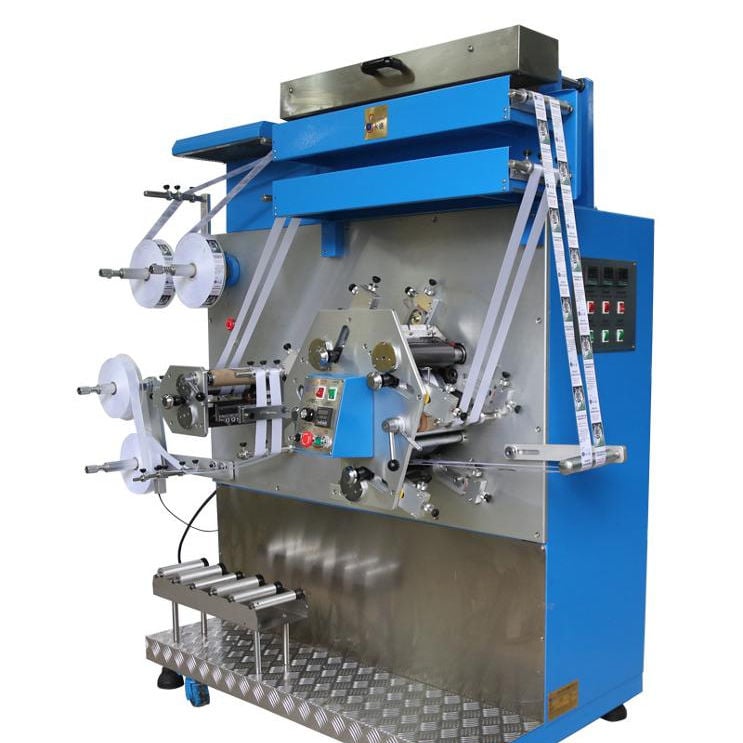
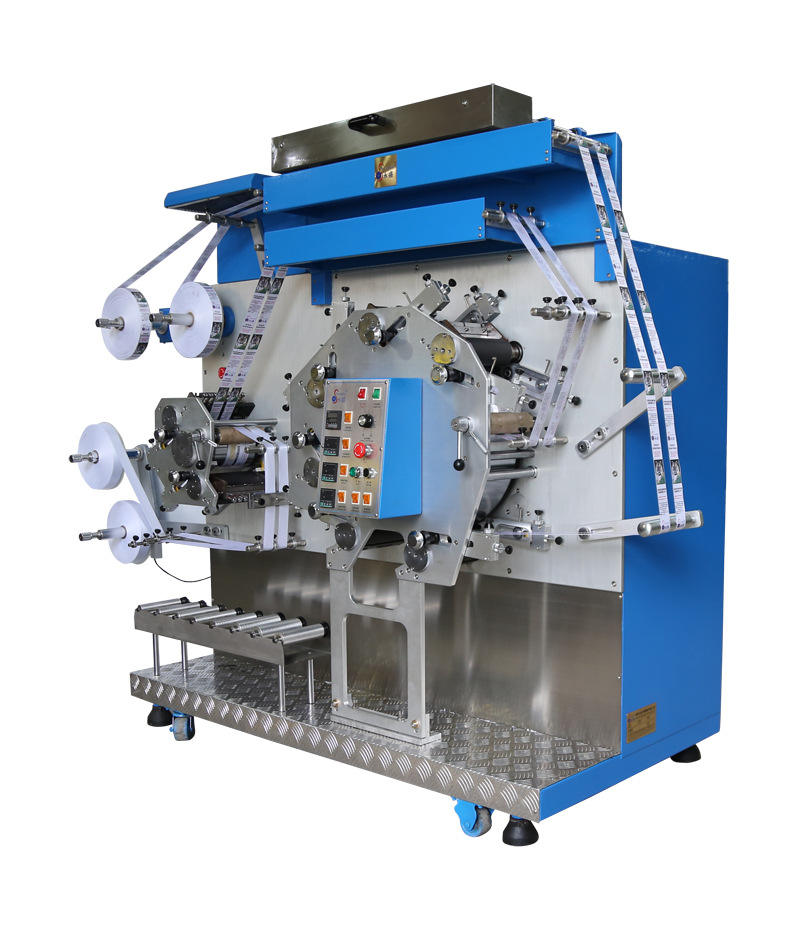
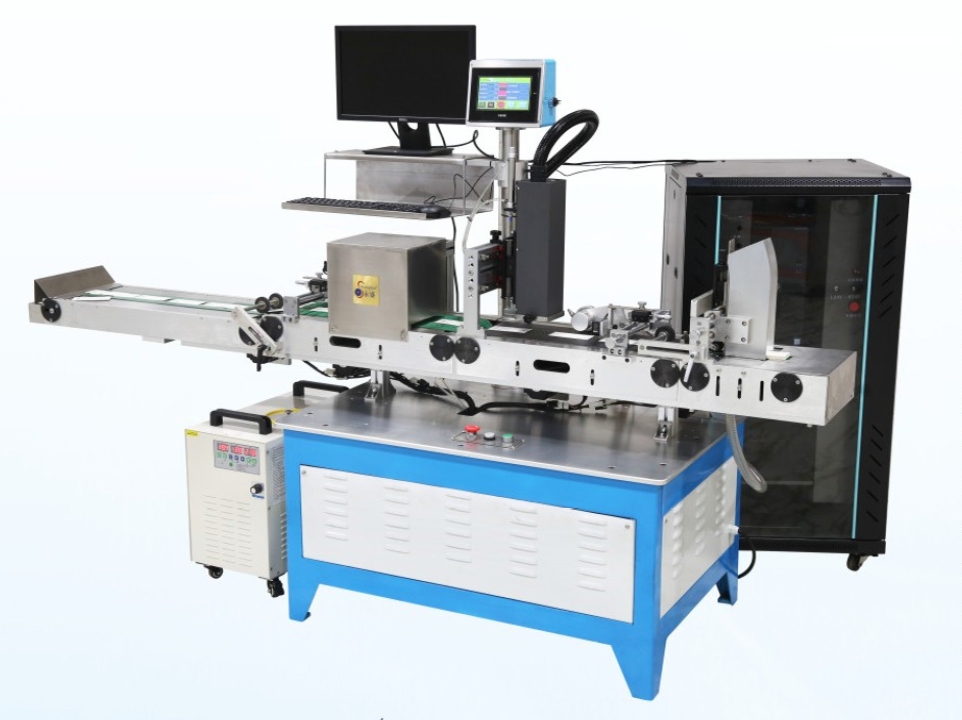
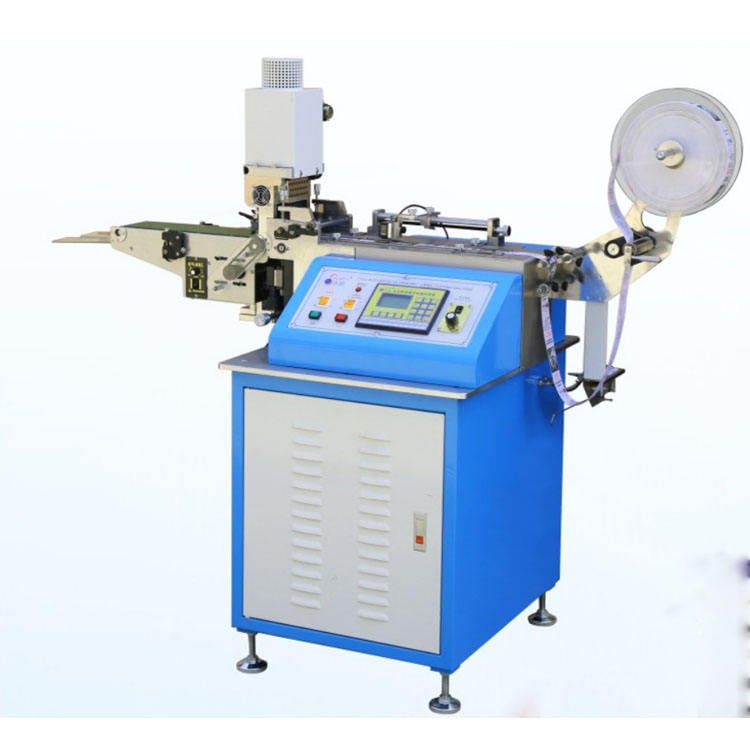
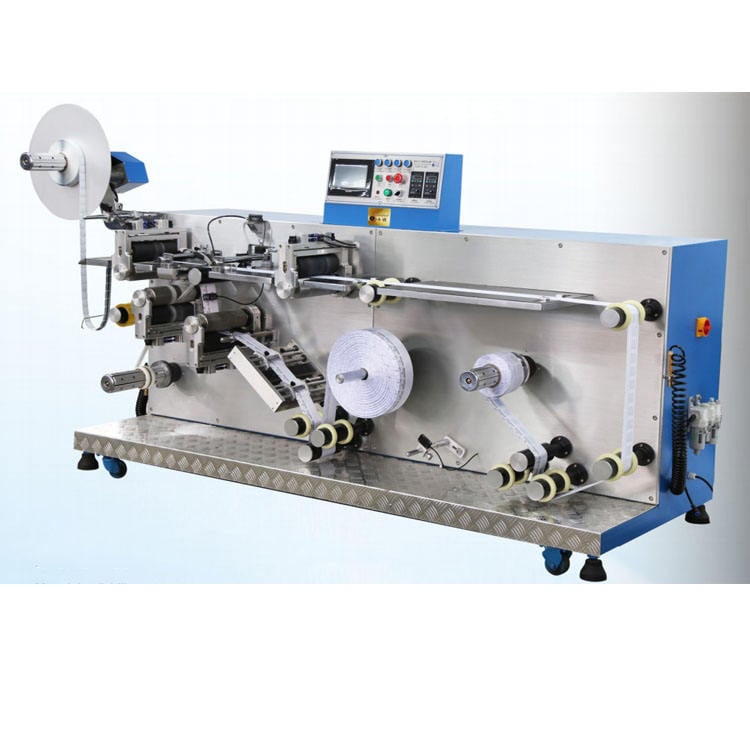
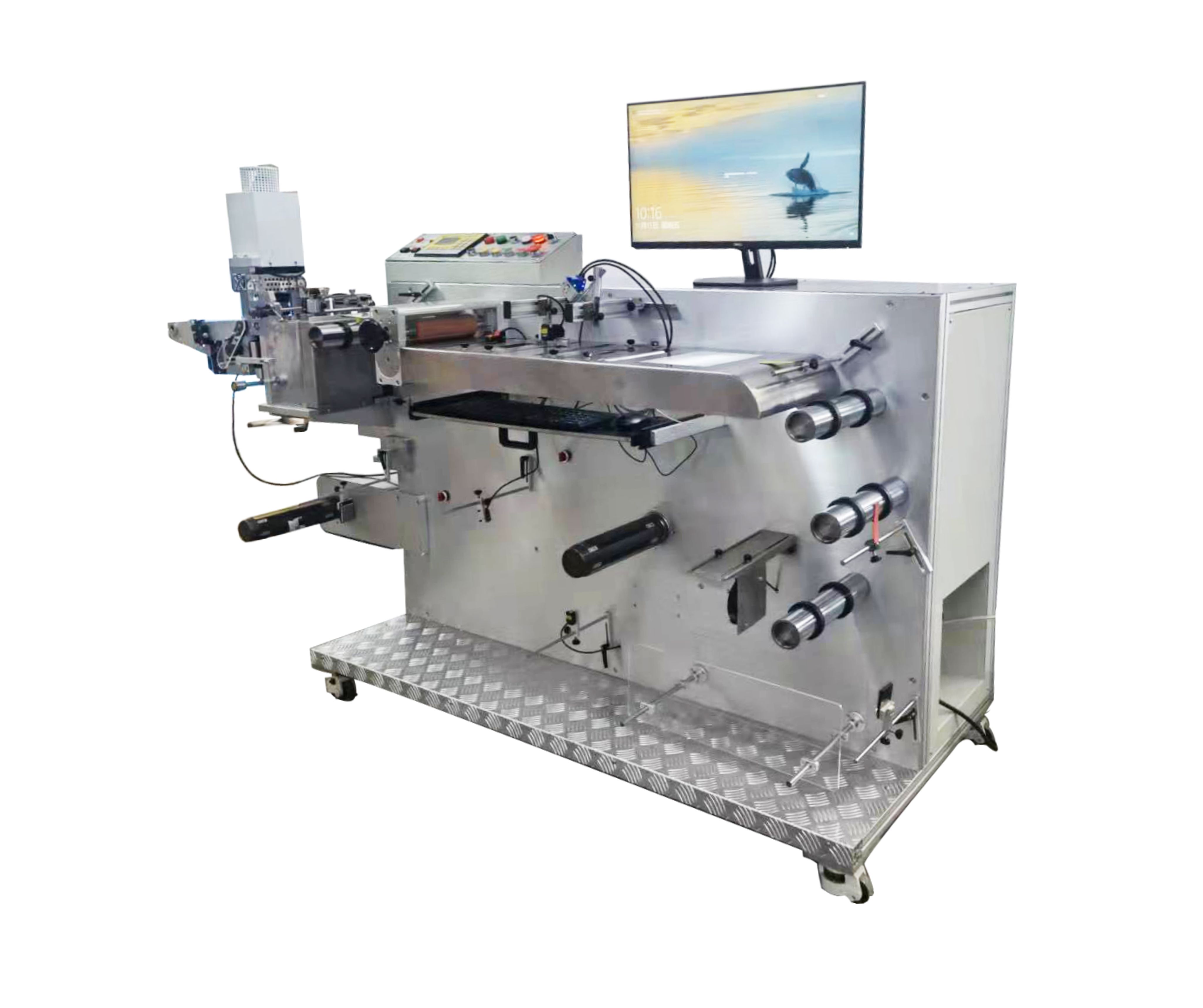
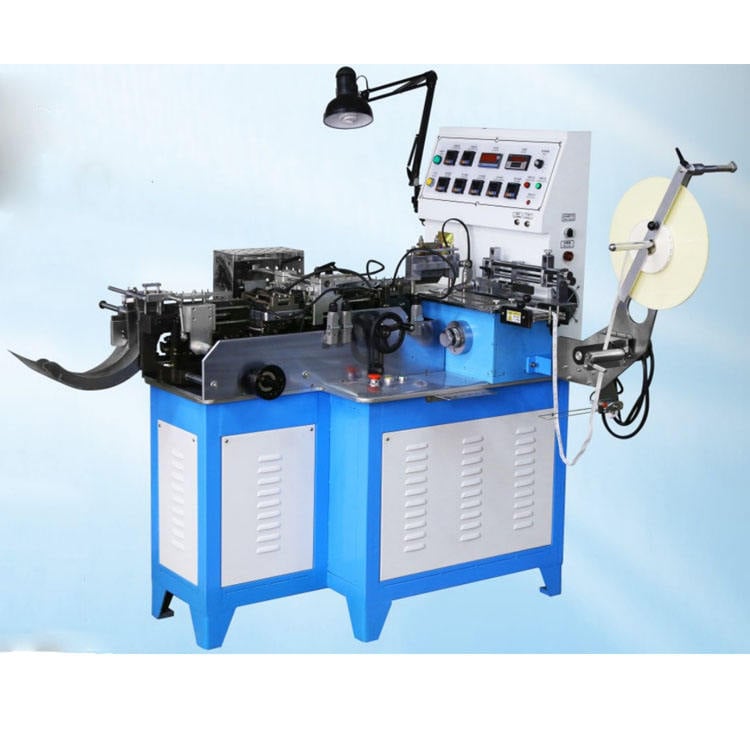
Hot News
-
Reflect On The Cultural Significance Of The Printing Press In Preserving And Disseminating Knowledge
2023-12-08
-
The Role Of The Printing Press In The Global Economy
2023-12-08
-
Environmental Impact: Analyzing The Environmental Footprint Of The Printing Industry
2023-12-08
-
The Frontier Of Printing: 3d Printing And Its Industrial Renaissance
2023-12-08
-
The Evolution And Impact Of The Printing Press
2023-12-08